2026
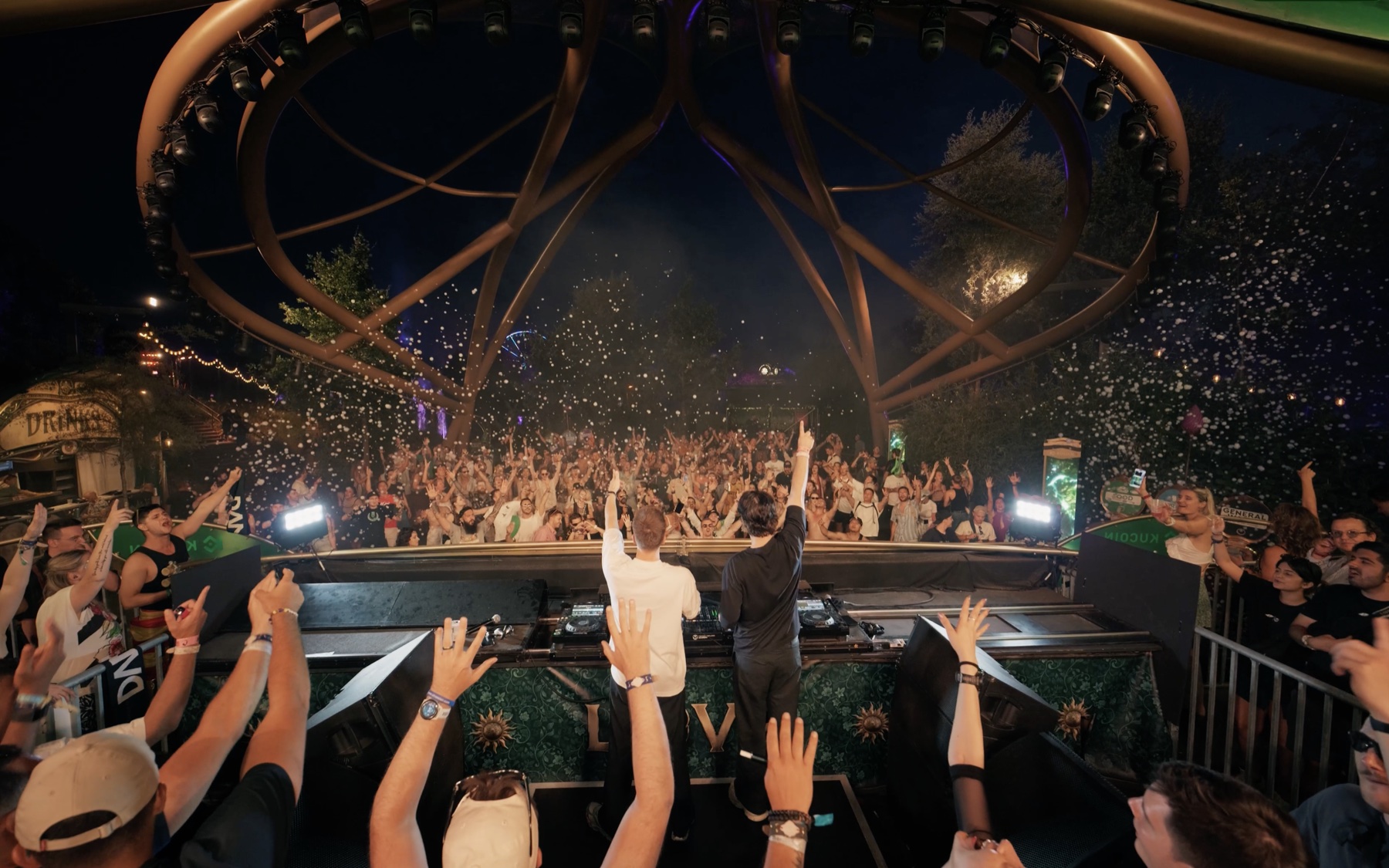

Before the festival stages, there were his father's records and the bars of Breda.

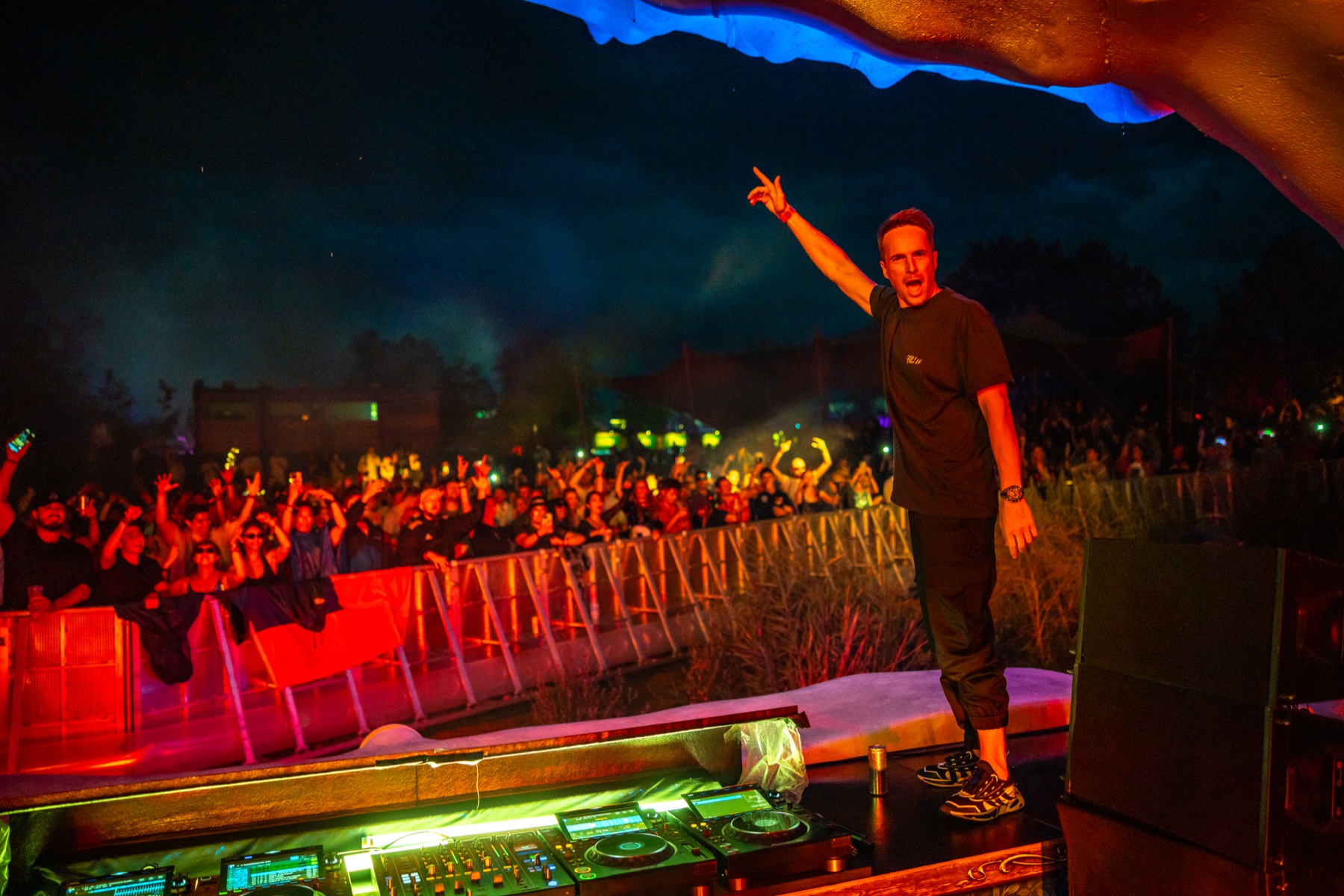
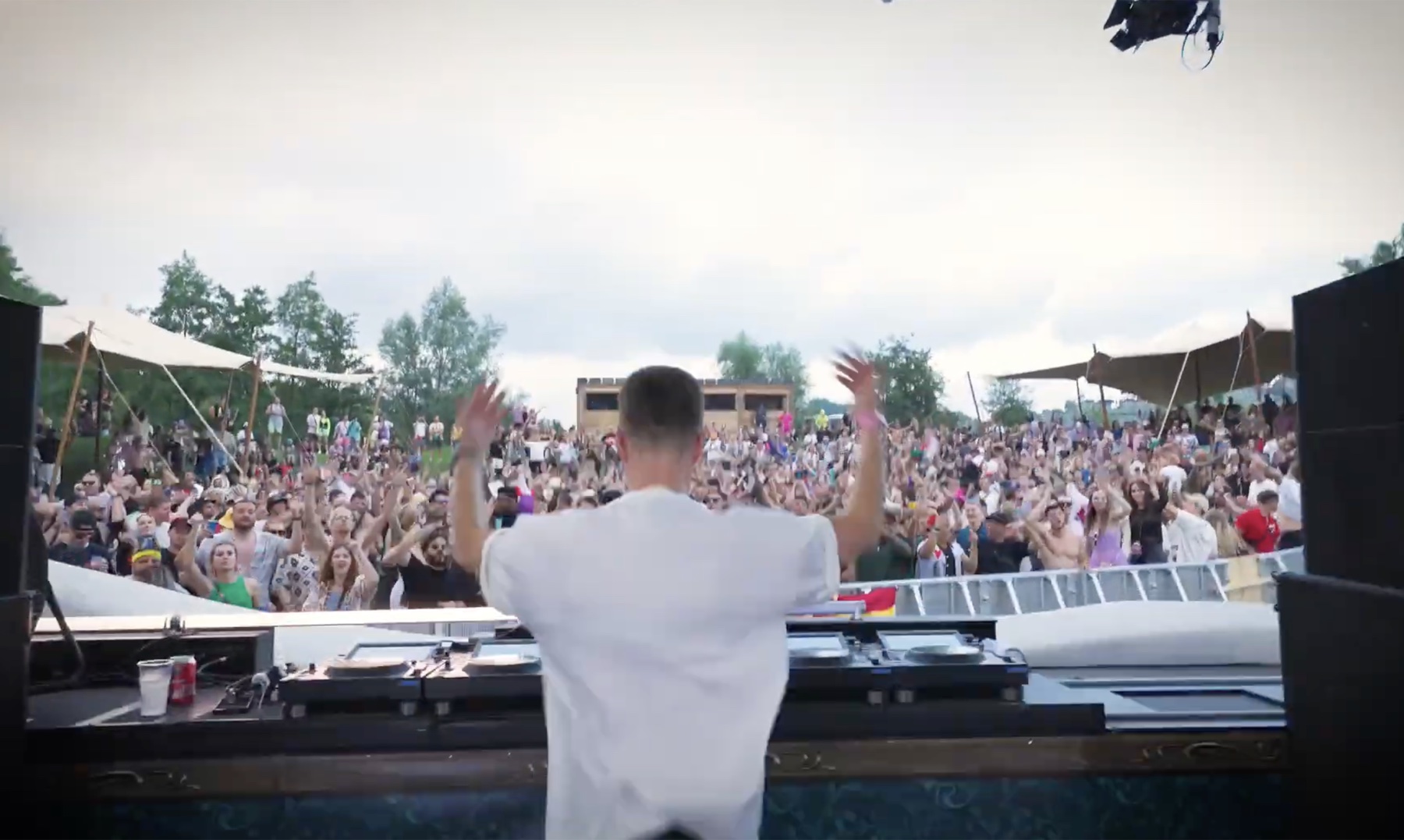
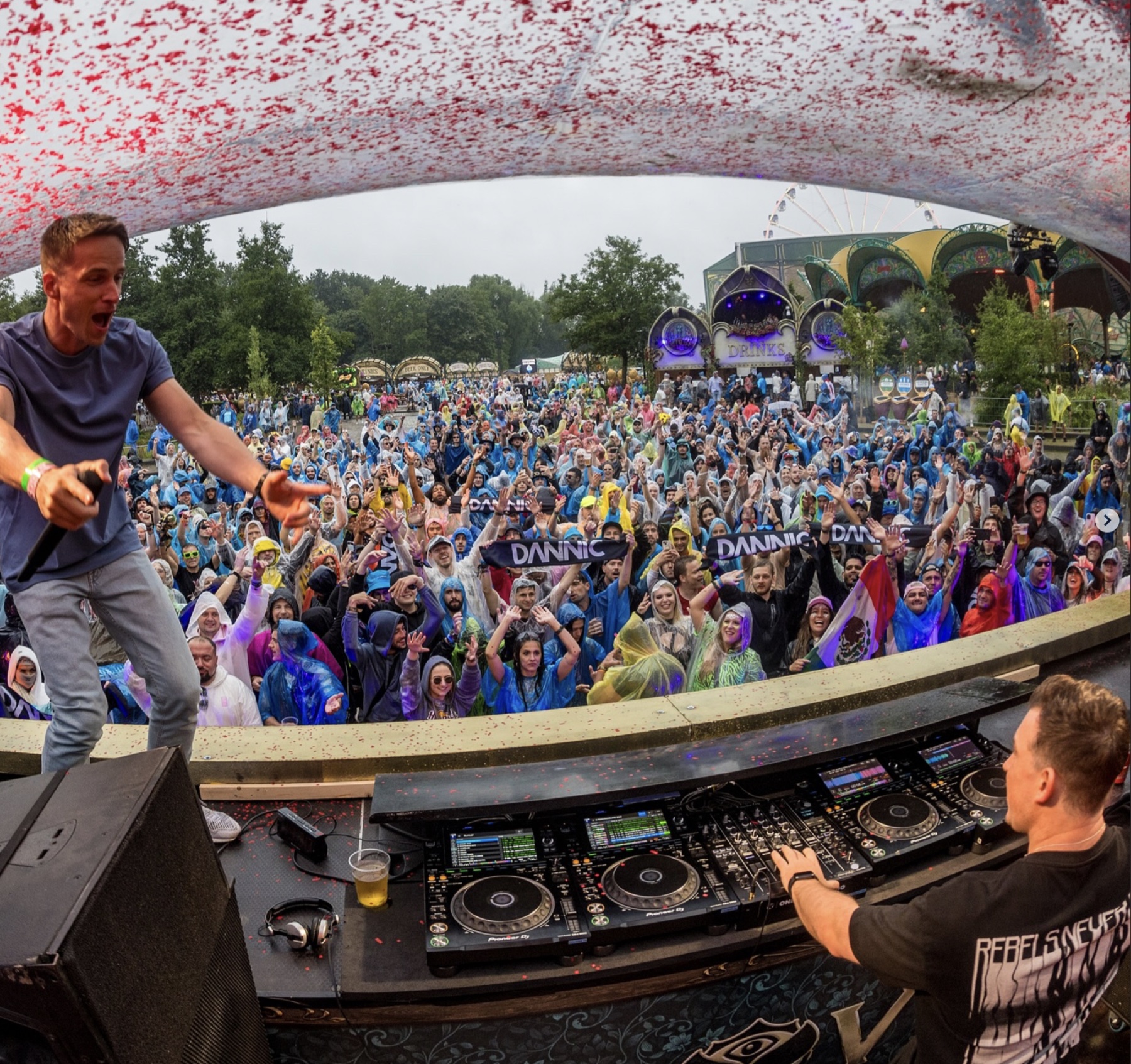
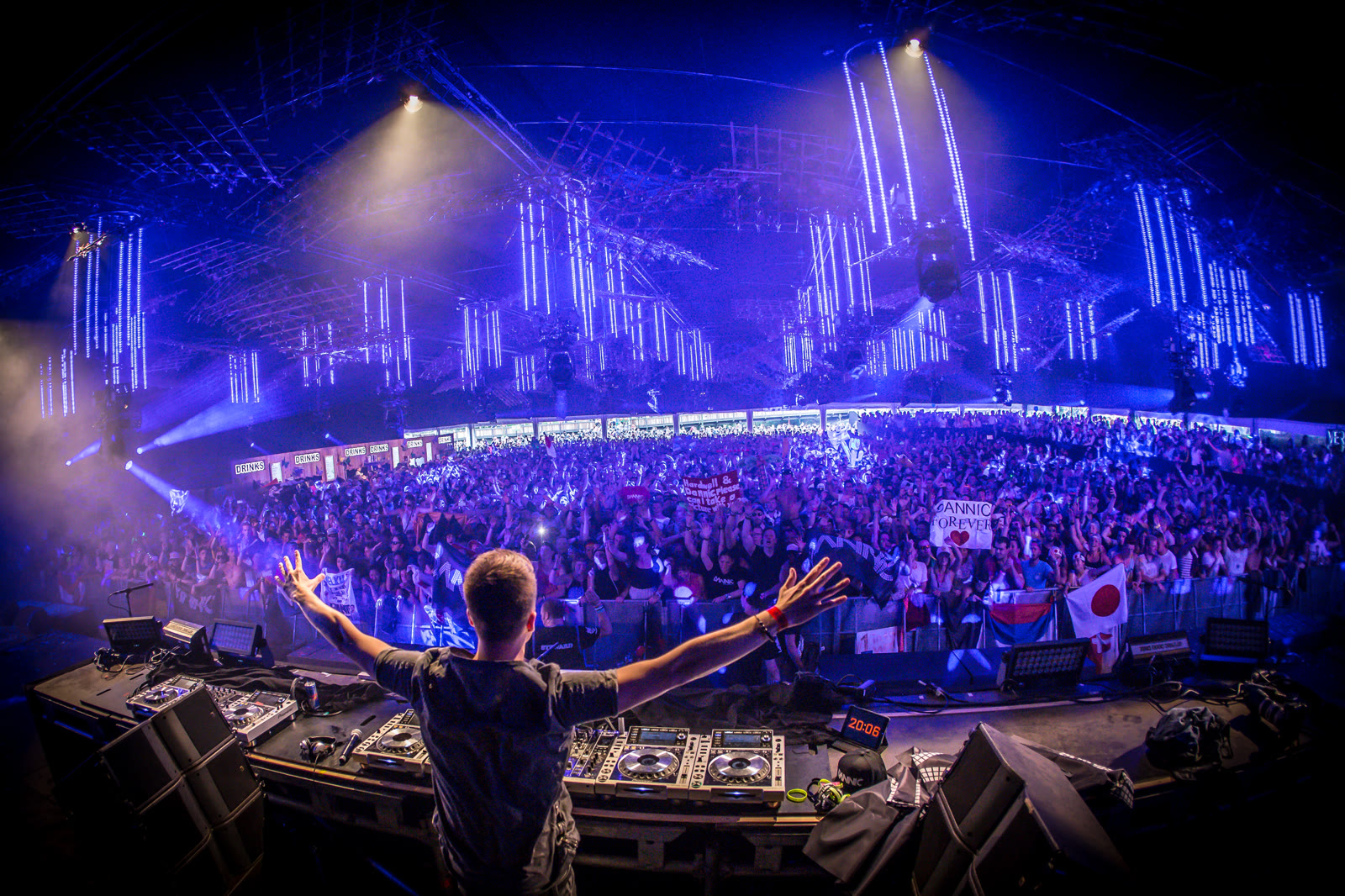
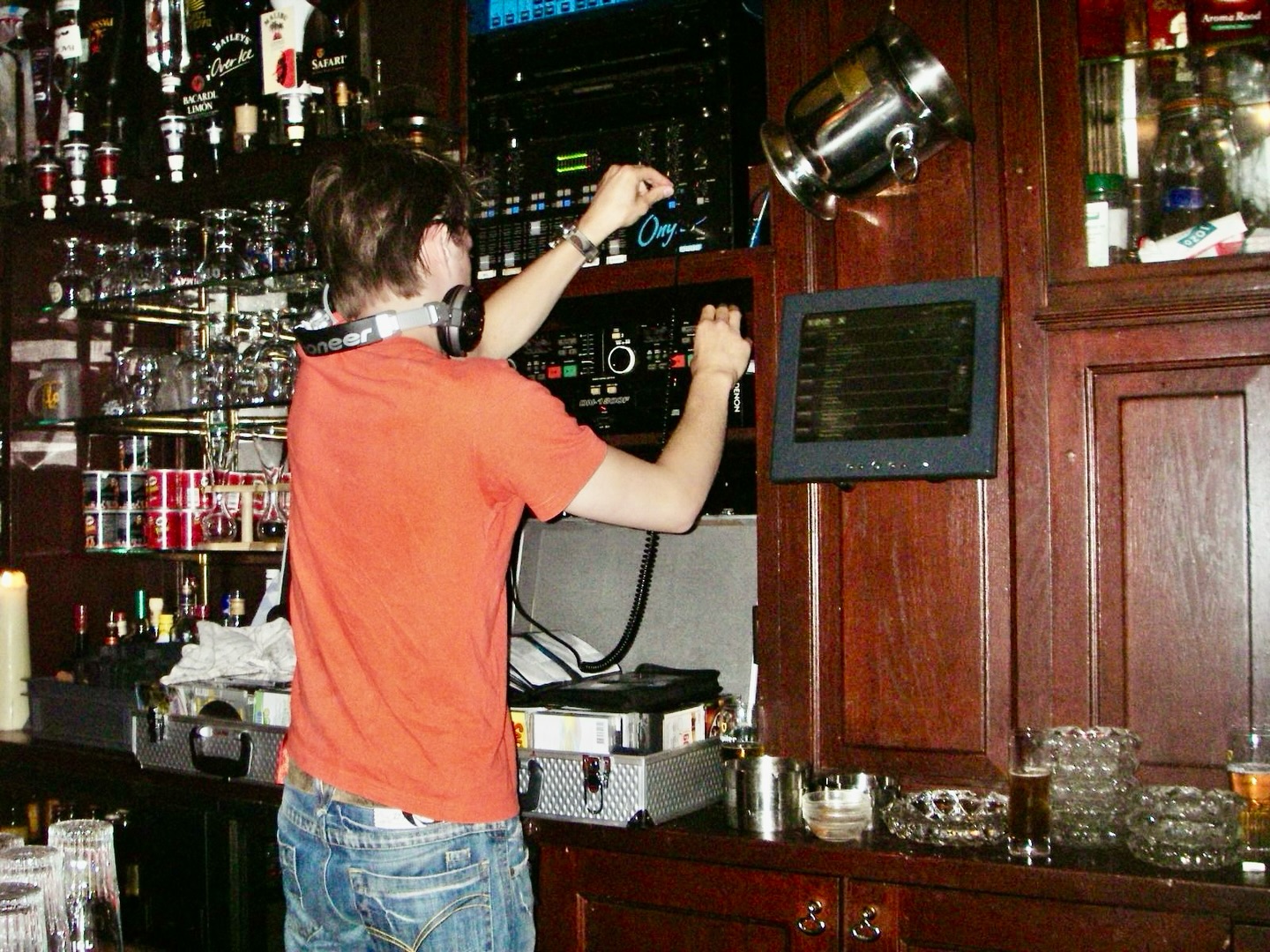
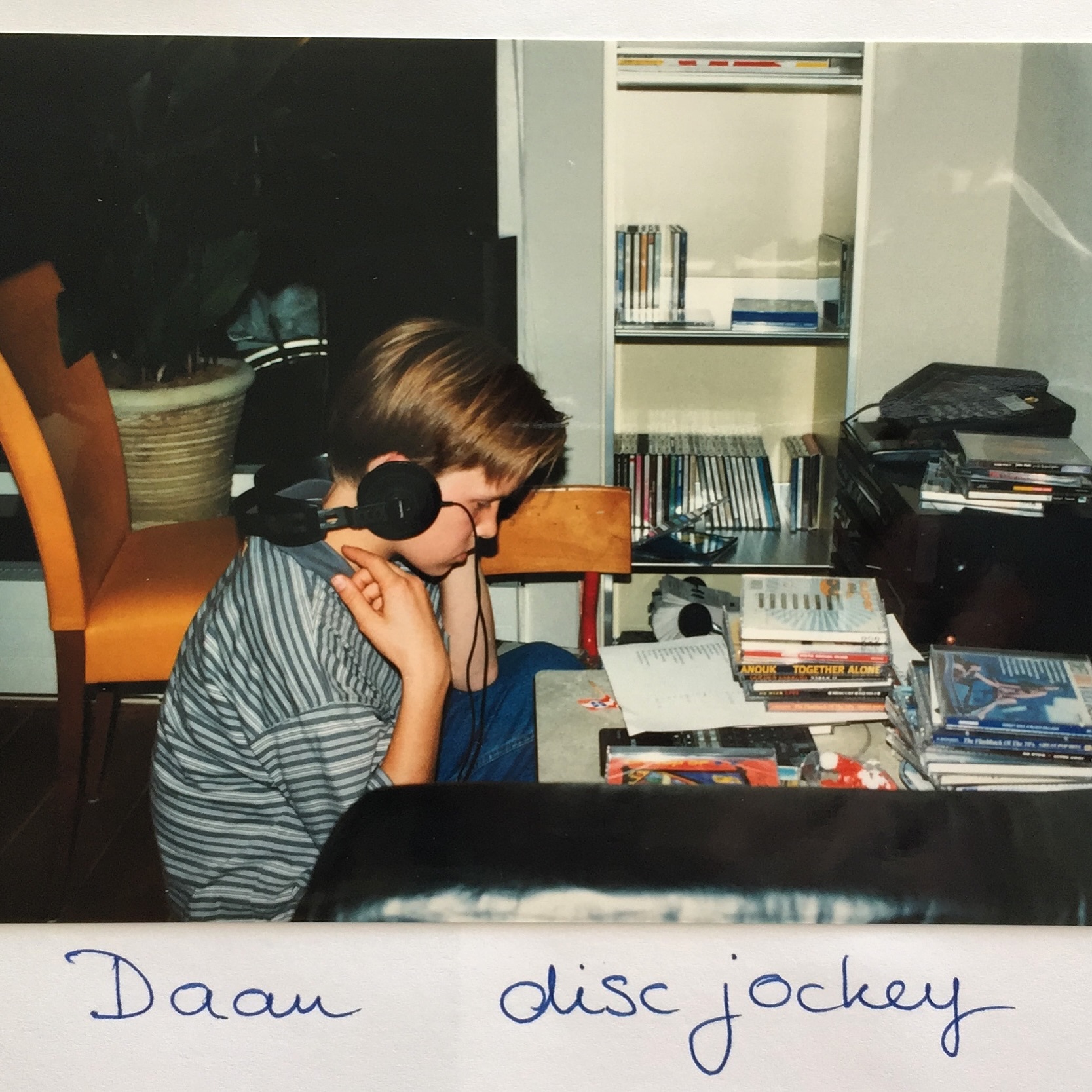
Daan Romers learned to mix with his father's CD collection. There was Sting, Van Morrison, music played by musicians whose timing moved beneath his hands. Getting those records to fit together took patience. He would spend hours trying, putting songs beside each other that had little obvious reason to belong together. The pleasure was in finding a way. Years before anyone knew him as Dannic, he was already absorbed in the part of DJing that still matters to him: choosing what comes next, and making it work.
In the bars of Breda, that meant playing for whoever walked through the door. Dutch singalongs shared a night with hip-hop and Michael Jackson. Daan learned to watch the people in front of him, to notice what held their attention and what brought them onto the floor. As he began playing more house music, he found a sound he wanted to spend more time with. In 2009, he entered a DJ competition and won a half-hour set at Dancetour Breda. He stepped out in front of ten thousand people in his own city. Afterwards, he knew he wanted to make a life of this.
For a while, he still had a job to go to. His friend Robbert, better known as Hardwell, was already touring, and the two exchanged music and ideas over MSN Messenger. Eventually, Robbert encouraged him to leave his job and come on the road. Daan took the chance. Looking back on that decision years later, he remembered an invitation with no certainty about where it would lead.
He brought years of DJing with him. Under the name DJ Funkadelic, he had been making edits and bootlegs for his sets. One of them, a reworking of ATFC's Bad Habit, caught Hardwell's attention. Together they developed it into Get Down Girl, the first release on Revealed Recordings. Making music grew out of playing it: Daan wanted records he could reach for in his own sets, with something of himself in them.
Finding that sound took years of experimenting. He kept returning to the funk and groove he loved, then worked out how to give those rhythms the weight to carry across a festival crowd. Even as the stages grew, he described watching the audience much as he had in the café. He wanted people to dance. That attention to the floor helps explain both his productions and the care he puts into mixing them.
With Fonk Recordings, he made room for other producers too. He knew what it meant for someone further along to listen to your music and take you seriously. Hardwell had done that for him; through Fonk, he wanted to offer younger artists a chance of their own. His story now includes being on the other side of that exchange, hearing a demo and deciding to give its maker an opening.
Website analytics.
May we use Google Analytics to see which pages and music links people use? It is optional. Privacy details